Your Annual Well Maintenance Checklist: Keeping Your Water Safe Year-Round

A private well does not come with a water authority that tests it or sends you a report. If you own a home with a well in Huntingdon County or elsewhere in South Central Pennsylvania, the upkeep is yours. Bacteria can appear after a flood or a loose well cap without changing the taste of the water. A pressure tank that is slowly losing air will short-cycle the pump for months. A short list of yearly checks, plus a few habits you keep all year, will do more for water safety than waiting until something tastes wrong.
Walters Well Drilling, LLC has helped well owners in this area keep systems running for more than 25 years. Use this as a practical annual checklist, then call us when you want testing or an inspection.
Water Testing on a Regular Schedule
Pennsylvania does not require private well owners to test on a set schedule, which is exactly why you should put it on yours. A solid baseline is an annual test for total coliform bacteria, nitrates, pH, and total dissolved solids. Every few years, add a broader chemistry panel so you have a picture of hardness, iron, manganese, and other minerals common in this region. Test immediately after flooding, a septic problem, a change in taste, smell, or color, or when you move into a home with a well.
We cover what to test for in our private well water testing guide. Put a reminder on the calendar, keep the lab reports, and do not assume clear water is safe water. If a test comes back with bacteria, iron, sulfur, or hardness issues, treatment exists for all of those. Guessing at filters without a test is how people buy the wrong equipment.
Inspect the Wellhead and Surrounding Area
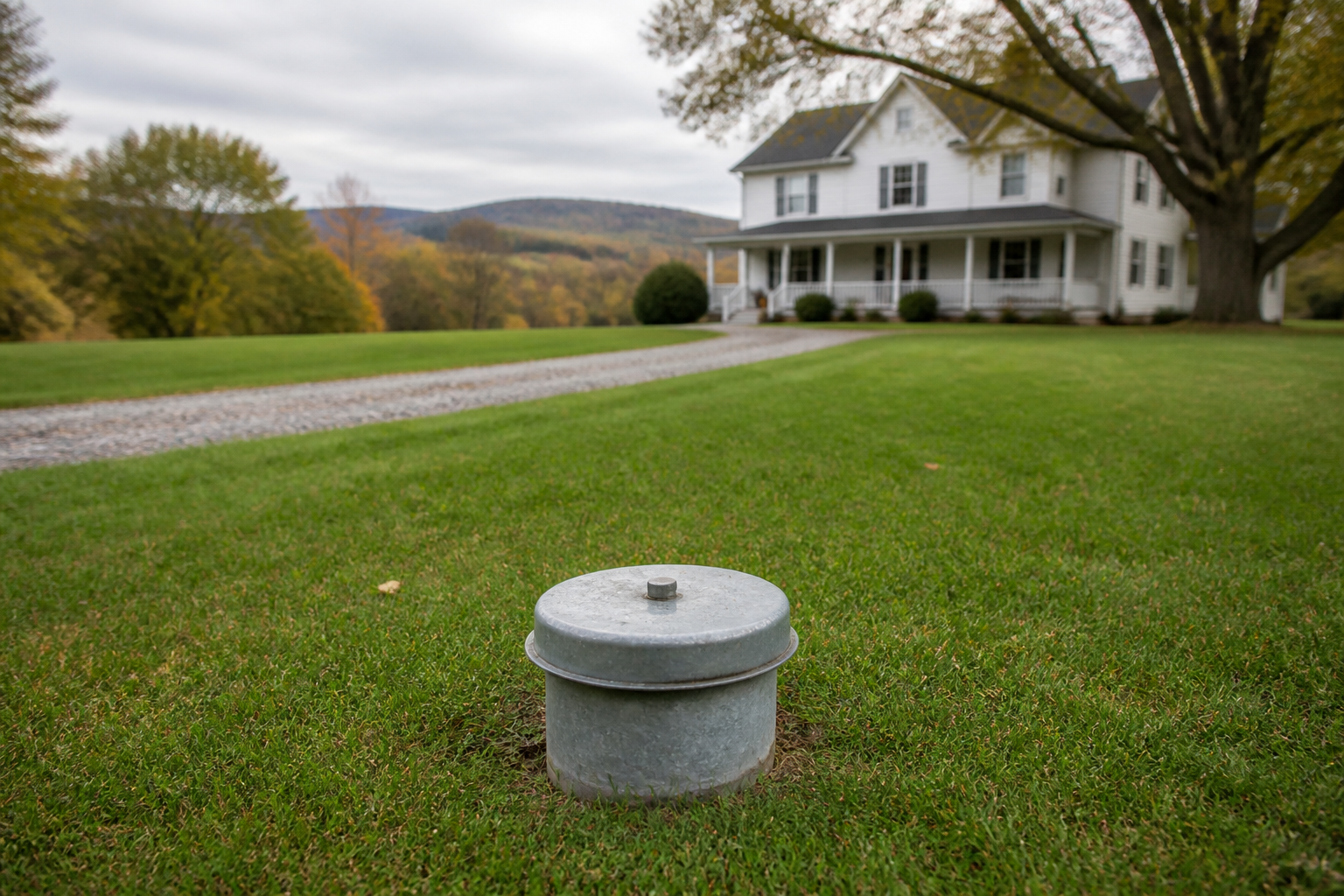
Walk out to the well at least once a year, preferably in the spring and again before winter. Look for a well cap that is tight, uncracked, and screened; a casing that sits above the ground, not in a puddle; grading that slopes away from the well; chemicals, fuel, and manure stored far from the wellhead; and a dry well house free of nesting animals.
If the cap is damaged, the casing is rusted through near the surface, or you can see evidence that surface water has been getting in, that is a professional repair, not a hardware-store patch. A sanitary well cap is inexpensive compared with disinfecting a contaminated well after the fact.
Protect the System Through a Pennsylvania Winter
South Central Pennsylvania winters are hard on well houses, exposed pipe, and anything sitting in an unheated crawlspace. Before the first hard freeze, confirm that the well house is sealed, exposed lines are insulated, and the pressure tank stays above freezing. For a step-by-step winterizing list, see how to winterize your well. Do not wait until January to find out a pipe was never wrapped.
Simple Habits That Extend the Life of a Well System
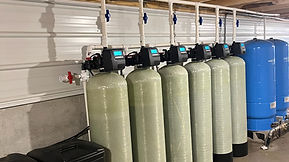
Know where the system's shutoff is, and make sure everyone in the house knows it too. Listen for a pump that runs longer than it used to or that clicks on and off in rapid bursts. That short cycling wears motors out. If you have a treatment system, change filters and salt on schedule. A neglected softener or iron filter can send untreated water through the house while you assume you are still protected.
Do not pile snow, leaves, or firewood against the wellhead, and do not use the area as a washout for paint, oil, or leftover chemicals. After a power outage, a little air in the lines is normal. Persistent cloudy water, grit, or a pump that will not stay primed is worth a call, not another reset of the breaker.
A Year-Round Checklist You Can Follow
- Test the water annually for bacteria and nitrates, and after any flood or change in taste, smell, or color.
- Inspect the well cap, casing, and grading around the wellhead at least once a year.
- Keep chemicals, fuel, and livestock waste far from the well, and service treatment equipment on schedule.
- Winterize exposed pipe, the well house, and the pressure tank location before freeze-up.
- Listen for short cycling or new noises, and keep the well log and water test reports in one place.
Schedule Your Well Checkup
Walters Well Drilling, LLC provides water testing, pump service, well inspections, and treatment across Huntingdon County and South Central Pennsylvania. If it has been more than a year since your last test, call (814) 259-3985 or email walterswelldrilling@gmail.com. We can test the water, inspect the system, and help you keep it safe year-round. Prefer to start online? Send us a message.
Recent Posts